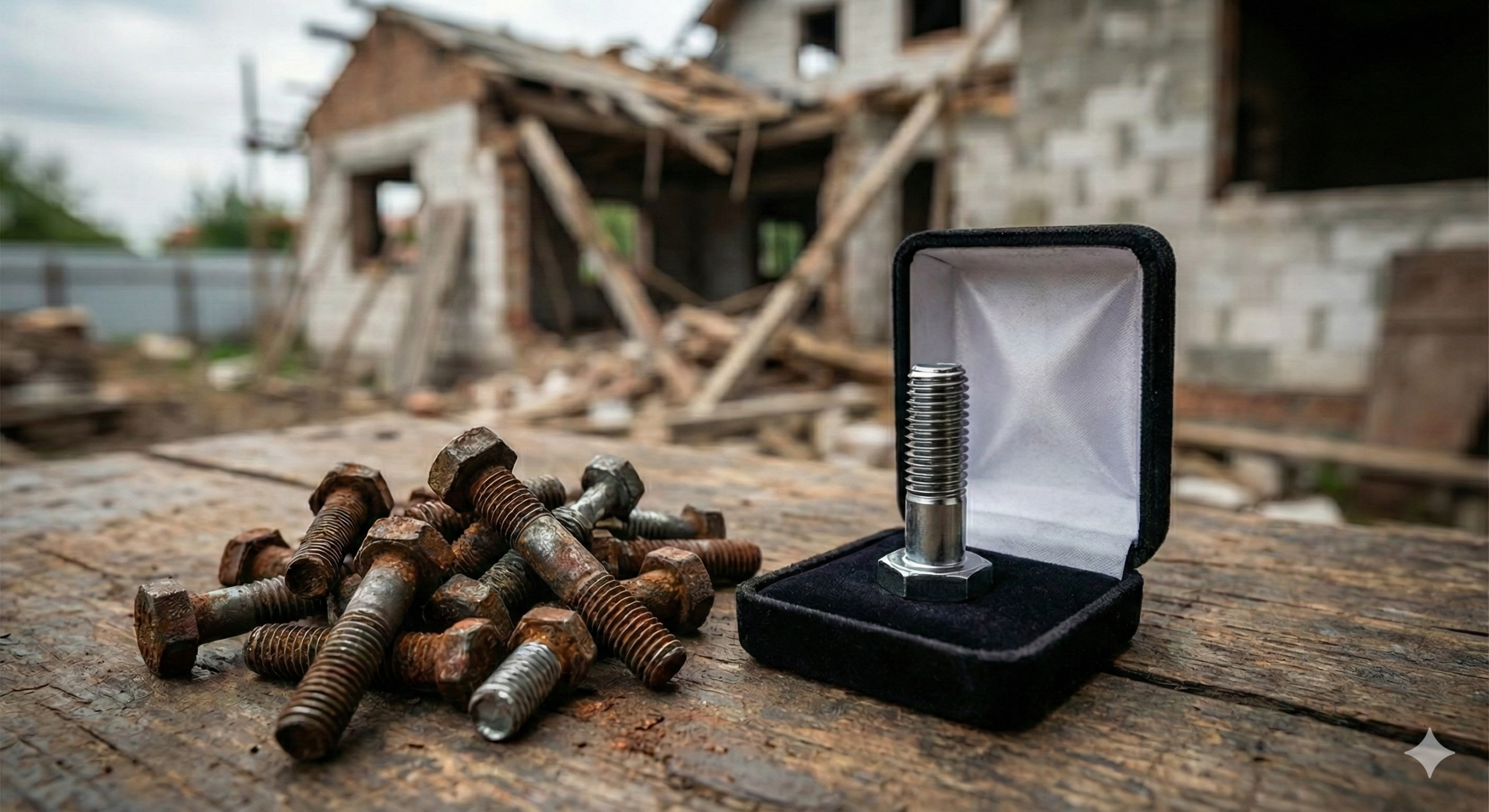


The fixing is one of the least appreciated aspects of that system. The incorrect screw, anchor, or bracket may become the nightmare of future maintenance of a high-spec facade. When identifying the appropriate fixing strategy, it is vital to understand how various materials are used in the facade, and how the Irish weather includes tests to identify how these materials absorb the Irish weather.
Adjustments are important in more ways than many people believe.
All the cladding panels, rails, and insulation boards experience three perpetual forces, i.e., load, motion and exposure. Fixings lie in the crossroads of each. They should be firm enough to hold weight, that they should be elastic to allow movement and that should be corrosion-resistant so as to endure several decades in the open air. As soon as one of these factors is disregarded, troubles become evident very soon: rattling of the panels, breaking of boards, staining around fixings, or in the most severe cases, the break of the facades.
Metal cladding: movement strength.
The reason why metal cladding is based on sliding or floating fixings is the sensitivity. A single fixed point is usually utilized to support dead load with the rest of the fixings being controllable movement in slotted holes. Stainless steel or coated carbon steel fasteners are required due to the fact that the condensation behind metal panels forms a permanent damp microclimate. The second error is a general approach of screwing normal self-drilling screws through the panels directly to steel rails, trapping the metal.
Fibre cement: hard panels require flexibility of thinking.
Fibre cement boards have good fire behaviour and clean looks; however, they behave in a completely different manner as compared to metal. They are more dense and much more fragile, but yet they move slightly with the moisture and with the temperature. These boards are normally attached with rivets or screws with excessively large holes and washers that permit micro-movement without cracking the panel. The fixings must be strong enough to support the weight, although tolerant to movement to some extent. This holds the panel in position, causing cracks of stars around fixings after some seasons of expansion and contraction – particularly in the damp and changing climate of Ireland.
Small units, heavy loads, slip up, Brick.
Brick slip systems resemble a masonry without the same weight of full bricks, yet they are much heavier than the majority of the cladding materials. The actual load does not only consist of the slips, but also the adhesive beds and supporting boards. In this case, hidden heavy work is done by fixings. The weight is also put back on the structure by means of stainless-steel anchors and rails and the slips are in essence suspended on the sub-frame. Corrosion resistance is essential, as any rusting behind a brick-slip front can cause any staining and loss of bond.
Insulation systems: retaining performance.
External wall insulation (EWI) systems are boards, mesh and render in one thermal layer. Fixings here are not only structural, but also are thermal components. The wrongly selected fixings may turn into thermal bridges compromising the energy efficiency of the entire wall. Balancing between strength and thermal efficiency is done with specialised plastic or composite anchors with steel cores. They should also be sufficiently long to penetrate solid substrate by insulation, which may be 150 mm or more on retrofit of Irish. Among the most destructive errors is the case when short, low-grade fixings are used, and they only partially penetrate the substrate. The system may be able to withstand an initial pull-out test, although as time progresses, wind loads and dampness result in slow-gradual loosening of the system, which causes cracking and shedding off of the render.
Selecting fixings to the Irish conditions.
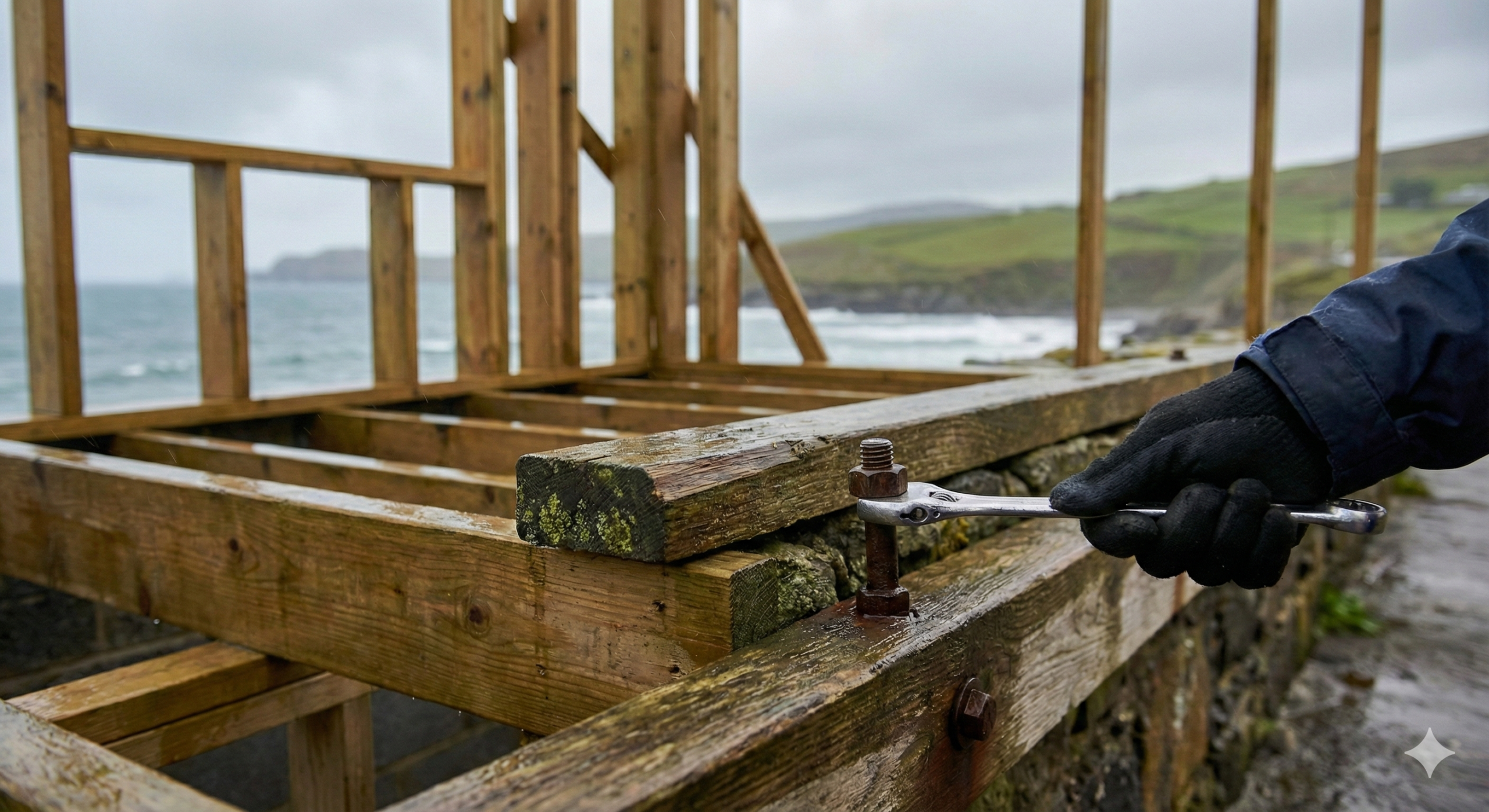
The climate of Ireland is inexcusable. Continuous rain, humidity, salt at the coast, and high winds imply that the fixings should be ordered to last long, not only on the day the installation is to be made. The most important consideration should always be corrosion resistance where stainless steel or highly coated systems are the choice of external use. No less significant is knowing how the facade will be moving. The systems which are heavier require anchors which have a long-term sustained load and not a pull-out strength that is short lived.
The fixings mindset
The greatest error in all forms of facades is to consider fixings as standardized hardware. They are, in actual fact, synthetic parts of the building envelope. A metal panel, a fibre cement board, a brick slip and insulation system can all be put over the same wall, yet each type requires a different manner of loading, movement and exposure. With fixings being carefully selected just as the buildings themselves, the end result is a building that does not just appear on the completion day, but one that also works over the years of the Irish wind and rain and weather.