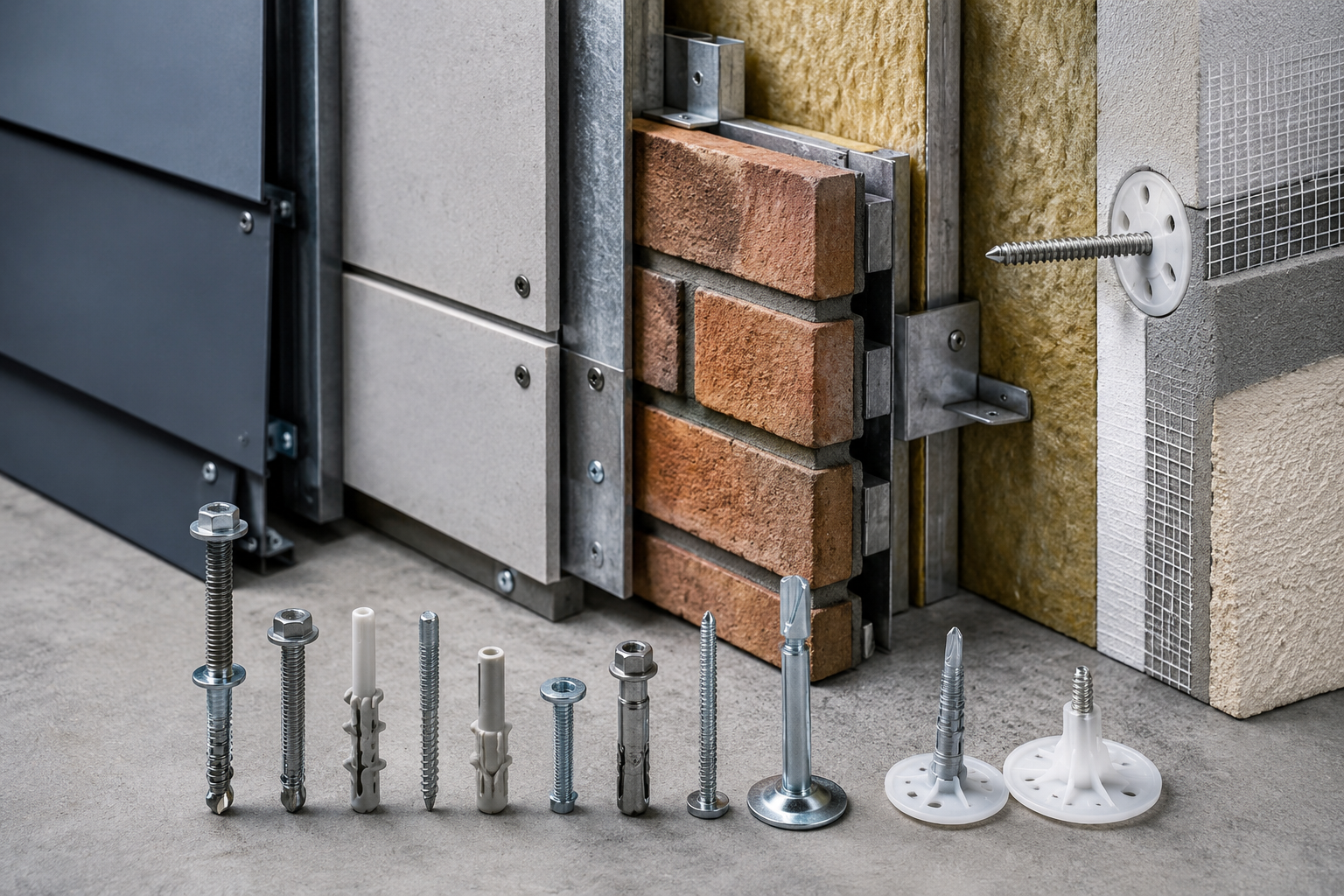


When discussing sustainability in construction, attention often goes to visible elements like insulation or solar panels. However, sustainable fasteners and fixings play a critical role in long-term building performance by improving durability, reducing waste, and supporting green building goals.
In talking of sustainability in construction, one tends to think of apparent things, however, like solar panels, insulation, glazing or low-carbon concrete. Fasteners and fixings, however, are also one of the least considered additions to building performance in the long term, which is quite ironic. Even though they are frequently not visible, their material quality, durability, and lifecycle performance has a direct impact on waste generation, maintenance operation, and adherence to the latest requirements of green buildings.
Real sustainability of fixings is not the eco labels or marketing buzz words. It is selecting products, which are durable, reliable and do not require as much replacement as long as the building is in existence.
Selection of Material: The Underground of Sustainability in Fixings.
The sustainability of a fastener is initiated with the base material of the fastener. Each of the carbon steel, stainless steel, aluminium and the speciality alloys possesses different environmental and performance profiles.
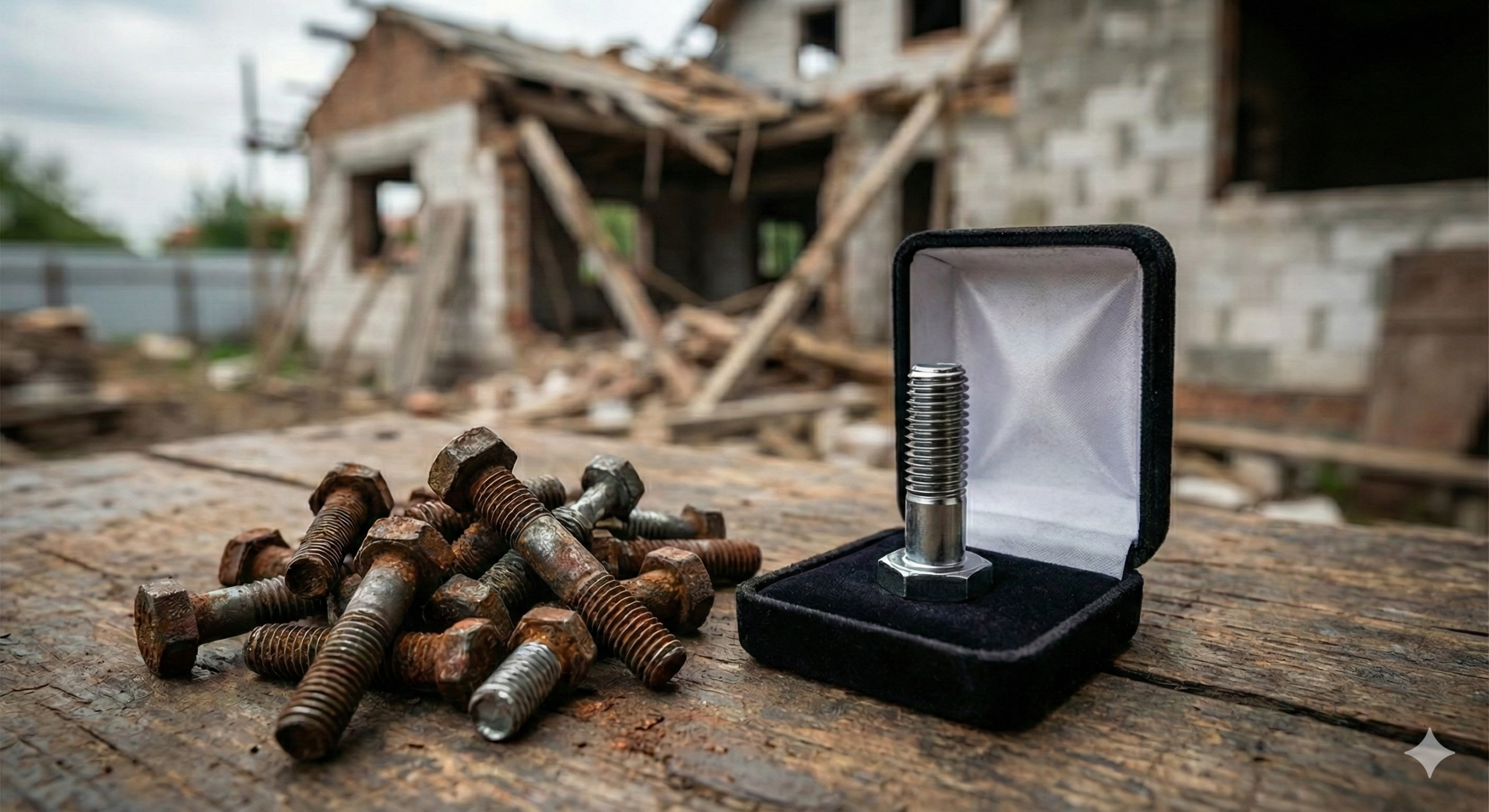
One of the most commonly used fasteners is carbon steel because it is strong, economical and its sustainability is largely based on the ability to prevent corrosion. The premature failure results in replacement, more material usage, and waste at the location without the right coating.
Stainless steel, especially, grade A2 and A4, has high corrosion characteristics and life cycle. Although expensive to produce in terms of energy consumption, its long service life tends to counter its upfront environmental cost- particularly in external or high exposure environments. A 50-year-lasting fastener is more sustainable in nature than a 10-year fastener.
Advanced alloys and aluminium have weight reduction advantage, which can reduce transport emissions and facilitate installation especially in facade and cladding systems.
Choosing the right material to use in the environment instead of the cheapest material lowers premature failure and ineffectiveness of the resources.
Coating and Corrosion Protection: Big Impact with Small Layers.
Coating finishes are important in the prolonging of the life of fasteners. Zinc plating, hot-dip galvanising and new types of organic or ceramic finishes can greatly enhance corrosion resistance.
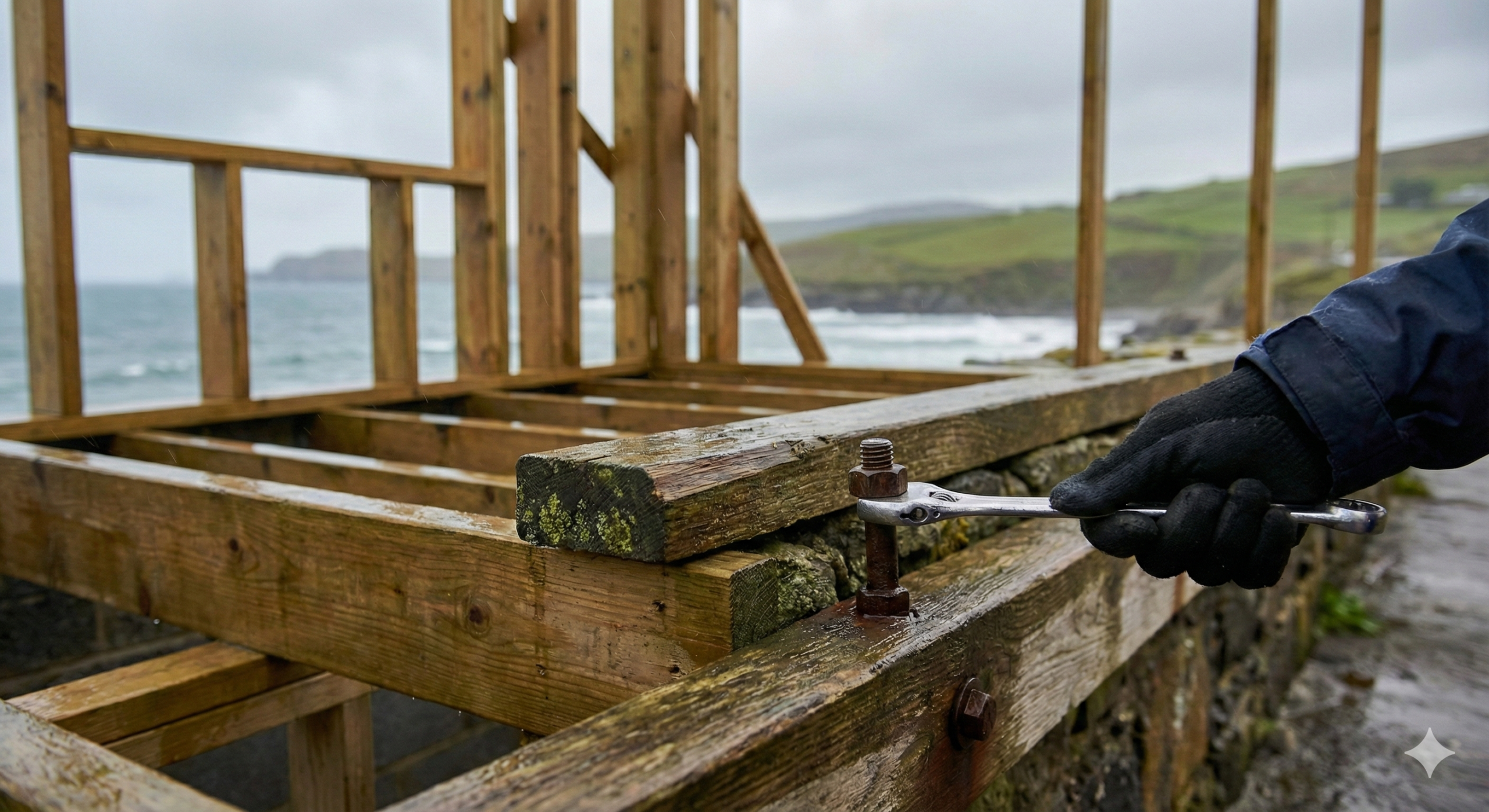
One of the most frequent causes of fastener failure is poor choice of coating in poor environments, e.g. coastal regions, industrial environments, or high-moisture environments. Fixings are rusted causing structural integrity, expensive repairs and unnecessary waste.
Sustainability wise, a long-lasting coating will lower the maintenance intervention and elimination of early disposal. The reduced number of replacements implies a reduced manufacturing demand, lower emissions of transport, and decreased landfill contribution.
Noteworthy, recent technologies in coating are aimed more and more to meet the requirements of environmental regulations, which restricts hazardous substances and increases their recyclability.
Durability and Lifecycle Performance.
Sustainability does not exist at installation; it exists over decades.
Bolts and connections that do not change with loads, thermal movement, vibration, and weather resistance are used in cladding, insulation, roofing, and facade solutions to avoid system failures. In cases where fixings fail, it can require the replacement of the whole system (or part of a system) and increase the wastage of materials many times over and above a single fastener.
Quality fixings will add to:
- Longer service intervals
- Less frequent inspection and repair.
- Better structural integrity and safety.
Lifecycle thinking does not concentrate on the initial cost, but on the overall impact on the environment. A slightly better-quality fixing can in many cases provide much lower costs in carbon and waste throughout the life of the building.
Standards and Responsible Manufacturing.
Another important sustainability indicator is compliance with recognised standards. Standards like the ISO, EN and ETA have been used to guarantee performance, durability and safety standards of fasteners.
Regarding green building, standards assist specifiers to possess due diligence and material responsibility. Certified fasteners with approved performance requirements minimize the chances of failure and are a correct action towards responsible procurement.
Companies that are determined to be sustainable progressively pay attention to:
- Traceable raw materials
- Energy-efficient production
- Reduction and recycling of waste.
- Clear environmental reports.
These aspects do not only favour environmental objectives, but also project credibility in the long term.
Green Building Certifications and Fixings.
Although fasteners are unlikely to attract actual points on green building certifications, they contribute to systems assessed through systems like LEED, BREEAM as well as national systems.
- Fixings that are durable will help in:
- Waste minimization and efficiency.
- Increased building life expectancy.
- Better performance of certified systems (facades, insulation, roofing).
Failure of fixing that occurs early in the lifespan of certified assemblies may compromise the performance of certified assemblies subject to remedial repair that is not aligned with the sustainability goals. With this meaning, quality fixings can ensure that the integrity of green building investments is safeguarded.
Moving Beyond Eco Buzzwords
Fastener sustainability is not merely recycled content statements or the ambiguous greenwashing. It is concerning smart engineering, correct choice of materials and durability.
The most sustainable fixing is one that performs its task throughout the design life of the building- no replacement, no failure and no unnecessary wastage. Fasteners and fixings have a say in sustainability in the context of modern construction, in which issues of durability, compliance, and environmental responsibility cannot be separated. When applied in a prudent manner, small components can produce an impact.