

Introduction
Fasteners are the unsung heroes of construction, woodworking, manufacturing, and even simple DIY projects. Whether you’re assembling furniture, securing a roof, or building an industrial structure, the right fasteners make all the difference.
Understanding the different types of fasteners, their applications, and their benefits is crucial to achieving a secure and long-lasting build. From nail guns to bolts, screws, and specialty fasteners, this guide will help you make informed decisions for your projects.
What Are Fasteners?
Fasteners are mechanical components used to join two or more objects together. They provide structural stability and can be permanent or removable depending on the application.
Common fasteners include:
- Nails
- Screws
- Bolts & Nuts
- Rivets
- Anchors
Each type of fastener serves a different purpose, and choosing the right one ensures durability and functionality.
Types of Fasteners and Their Uses
- Nails
Nails are the most widely used fasteners, particularly in woodworking and general construction. They are driven into materials using a hammer or nail gun and are known for their quick application.
Common Types of Nails:
- Common Nails – Used for general framing and construction.
- Finishing Nails – Thin nails used for trim work, furniture, and cabinetry.
- Brad Nails – Small nails perfect for delicate woodworking.
- Roofing Nails – Short, wide-headed nails designed for securing shingles.
Best for: Wood framing, flooring, trim work, roofing.
- Screws
Screws offer a stronger grip than nails due to their threading, which provides better resistance against pulling out. They can be driven using screwdrivers or power drills.
Common Types of Screws:
- Wood Screws – Specifically designed for wooden surfaces.
- Machine Screws – Used for fastening metal parts.
- Self-Tapping Screws – Create their own hole as they are screwed in.
- Drywall Screws – Designed for securing drywall to studs.
Best for: Woodworking, furniture, metal fabrication, drywall installation.
- Bolts & Nuts
Bolts are paired with nuts to fasten materials securely, making them ideal for heavy-duty applications. They require pre-drilled holes and are tightened using wrenches.
Common Types of Bolts:
- Hex Bolts – Common in construction and machine assembly.
- Carriage Bolts – Rounded heads, used in wood applications.
- Lag Bolts – Heavy-duty bolts for securing large structures.
- Anchor Bolts – Used for securing structures to concrete.
Best for: Industrial applications, automotive parts, structural steel.
- Rivets
Rivets are permanent fasteners used in construction, aviation, and metalworking. They are installed using a rivet gun, creating a strong, vibration-resistant joint.
Best for: Aerospace, automotive, shipbuilding, bridges.
- Anchors
Anchors are used to attach objects to drywall, concrete, or brick. They expand upon installation, creating a firm hold.
Common Types of Anchors:
- Expansion Anchors – Secure heavy objects to concrete.
- Toggle Bolts – Used for drywall installations.
- Plastic Anchors – Used for lightweight applications.
Best for: Mounting shelves, securing fixtures, hanging items on walls.
Choosing the Right Fastener for Your Project
When selecting a fastener, consider the following factors:
- Material Compatibility
Different materials require different fasteners. Using the wrong type can result in weak joints or material damage.
🔹 Wood → Screws, nails, bolts with washers
🔹 Metal → Machine screws, rivets, hex bolts
🔹 Concrete → Expansion bolts, anchors
🔹 Plastic → Self-tapping screws
- Strength and Load Requirements
- Structural applications (e.g., bridges, buildings) require heavy-duty bolts.
- Lightweight applications (e.g., furniture assembly) can use nails or wood screws.
- Environmental Factors
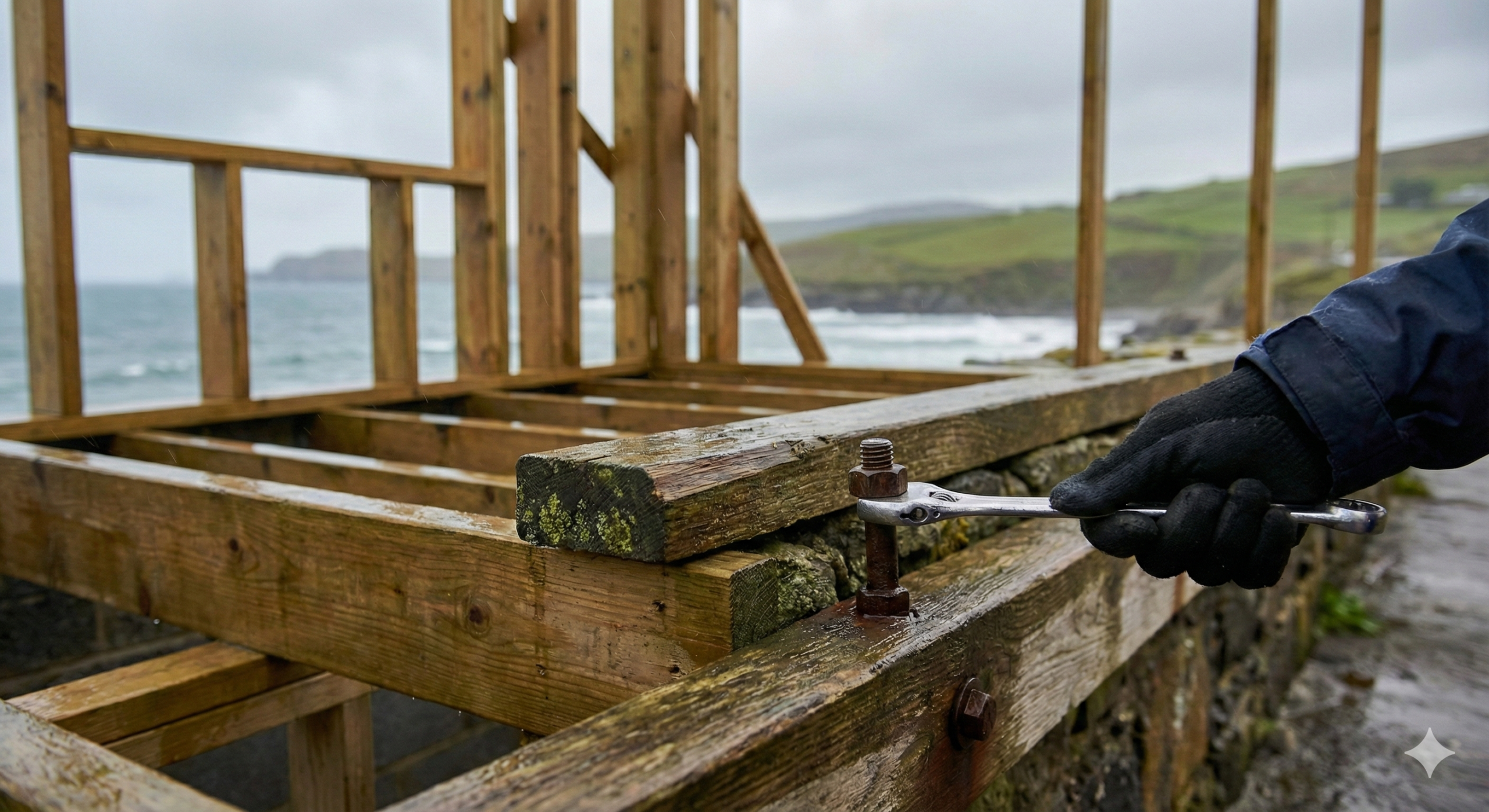
Outdoor fasteners should be corrosion-resistant, such as stainless steel or galvanized fasteners. Coated fasteners protect against moisture, rust, and UV exposure.
The Role of Nail Guns in Fastening
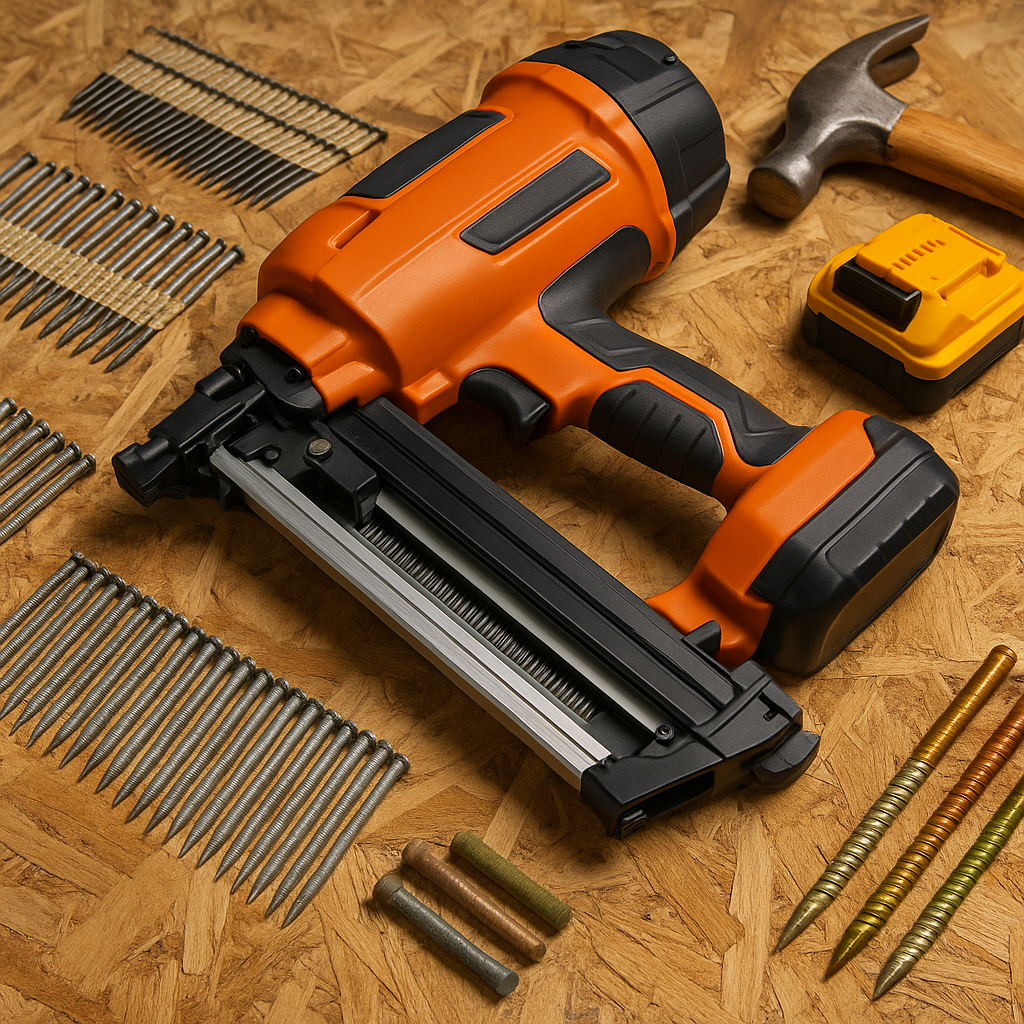
If your project requires a high volume of nailing, a nail gun is a game-changer. Nail guns make fastening quicker, more precise, and safer.
Types of Nail Guns:
- Framing Nail Guns → Used for heavy construction (e.g., house framing).
- Brad Nail Guns → Best for finishing work, furniture, and cabinetry.
- Roofing Nail Guns → Designed for securing shingles and roofing materials.
- Staple Nail Guns → Used for upholstery and lightweight fastening.
🔹 Tip: When using nail guns, ensure you select nails that match the tool’s specifications to avoid jams and misfires.
Fastener Coatings for Longevity
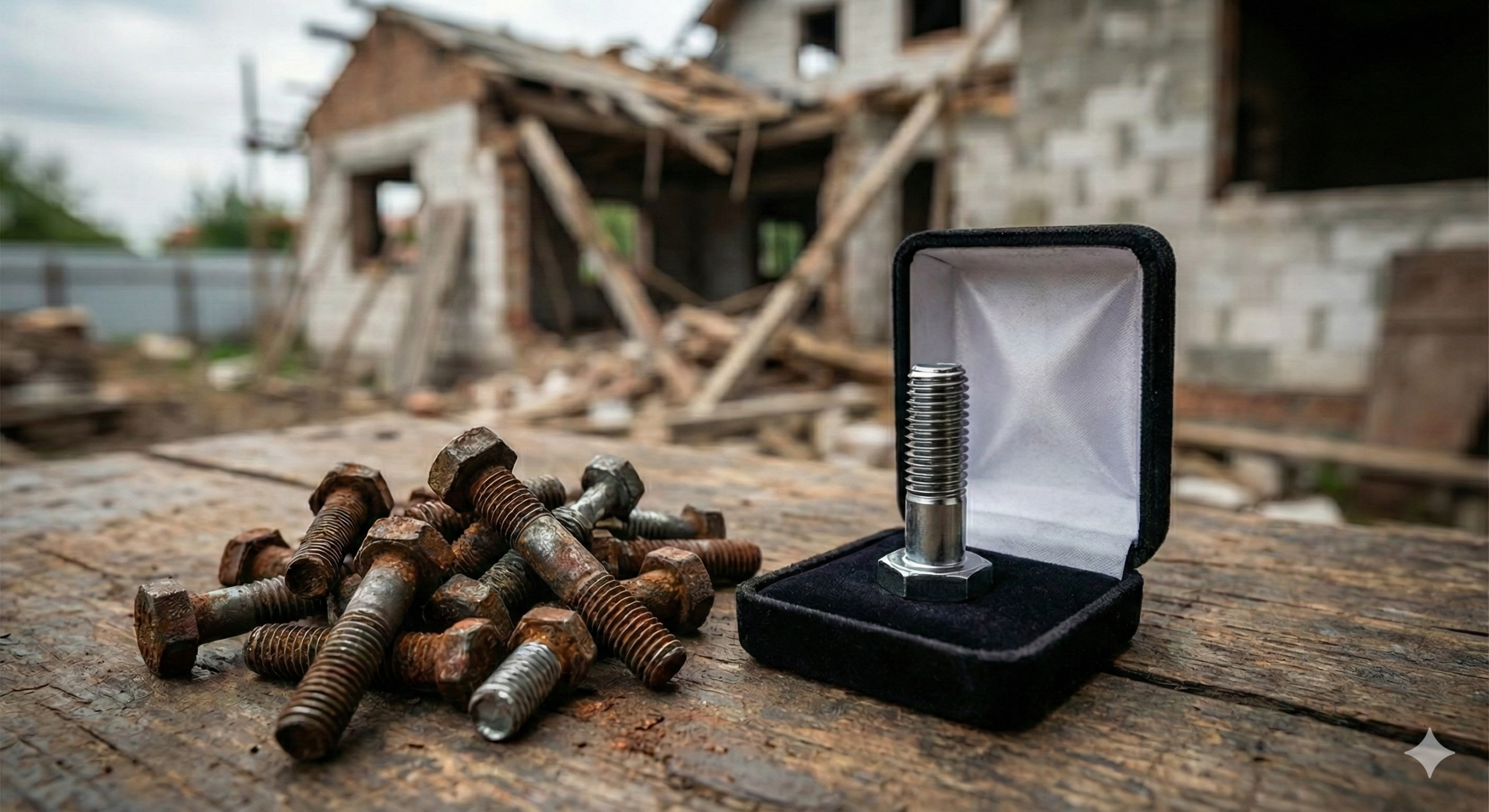
Fasteners are often coated to enhance their durability and resistance to corrosion.
- Galvanized Fasteners → Zinc-coated to prevent rust.
- Epoxy-Coated Fasteners → Extra corrosion resistance.
- Stainless Steel Fasteners → Best for outdoor use due to high durability.
- Brass & Copper Fasteners → Ideal for decorative and corrosion-resistant applications.
Choosing the right coating extends the lifespan of fasteners, especially in outdoor or humid conditions.
Common Mistakes When Using Fasteners
Even experienced builders can make mistakes when selecting and installing fasteners. Avoid these common errors:
Using the wrong fastener for the material → Leads to weak connections.
Over-tightening screws or bolts → Can strip threads or damage materials.
Not considering environmental exposure → Can lead to rust and fastener failure.
Using mismatched nails in nail guns → Results in jamming and ineffective fastening.
Solution: Always choose the right fastener type, use the correct tool, and follow manufacturer guidelines.
Fastening Innovations to Watch
Fastener technology continues to evolve. Some exciting innovations include:
🔹 Smart Fasteners – Equipped with sensors to detect stress and wear.
🔹 Eco-Friendly Fasteners – Made from recycled materials to support sustainability.
🔹 High-Strength Lightweight Fasteners – Designed for aerospace and automotive use.
🔹 Automated Fastening Systems – Robotic precision for large-scale manufacturing.
These advancements improve efficiency, sustainability, and durability across various industries.
Conclusion
Fasteners are the foundation of construction and manufacturing. Whether you’re using nails, screws, bolts, or rivets, selecting the right fastening solution ensures strength and longevity.
🔹 Key Takeaways:
- Choose the right fastener based on material and load requirements.
- Use coated fasteners for added corrosion resistance.
- Nail guns improve efficiency and speed up fastening.
- Avoid common mistakes by following best practices.
By understanding fastener types, applications, and benefits, you can complete projects efficiently and securely. Whether you’re a professional builder or a DIY enthusiast, mastering fastening techniques will take your projects to the next level.