

Introduction
Sustainability is becoming a key priority in the construction and manufacturing industries. As the demand for eco-friendly materials rises, fastening solutions must evolve to align with green building practices. Choosing sustainable fasteners reduces environmental impact while maintaining strength and durability.
With advancements in materials, coatings, and manufacturing techniques, sustainable fasteners now offer the same reliability as traditional options without contributing to excess waste. Whether you’re using nail guns, screws, or bolts, eco-friendly alternatives can support your sustainability goals without compromising performance.
The Need for Sustainable Fasteners
Traditional fasteners contribute to environmental degradation in several ways:
- Resource Depletion
- Most fasteners are made from metals like steel and aluminum, requiring mining, which damages ecosystems.
- Extracting virgin materials increases carbon footprints, making sustainability difficult to achieve.
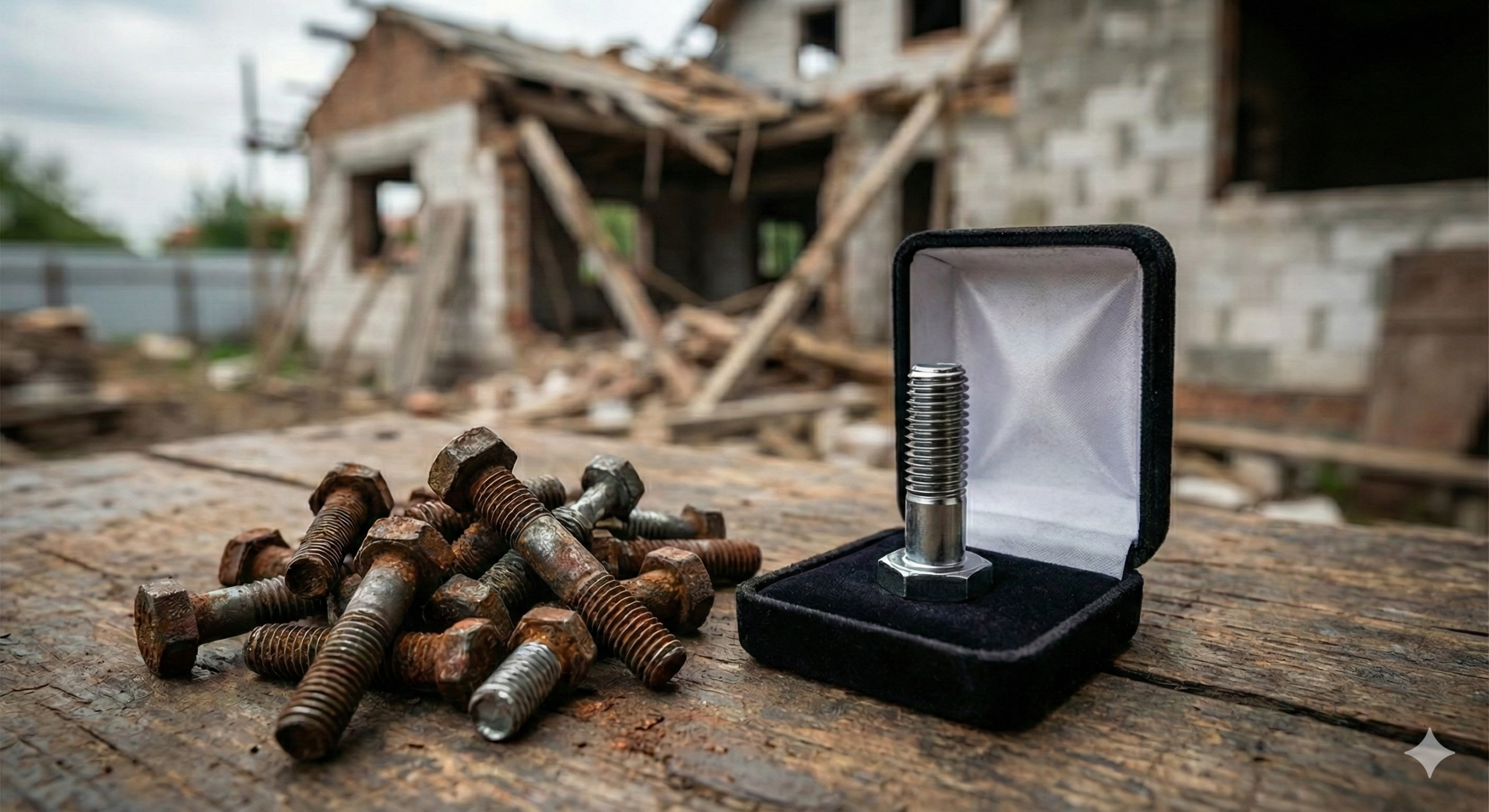
- Corrosion and Waste
- Rust and degradation shorten fastener lifespan, leading to frequent replacements.
- Improper disposal contributes to landfill waste and pollution.
- Energy-Intensive Manufacturing
- The production of fasteners requires high energy input, contributing to greenhouse gas emissions.
- Conventional coating processes use harmful chemicals that release volatile organic compounds (VOCs).
To combat these issues, manufacturers are developing sustainable fasteners made from recycled materials, biodegradable substances, and low-emission coatings.
Eco-Friendly Fastening Materials
Several alternatives have emerged to reduce the environmental footprint of fasteners. Here are the most effective options:
- Recycled Metal Fasteners
Instead of using virgin steel or aluminum, many fasteners are now made from recycled metals, reducing the need for new raw materials.
🔹 Advantages:
- Lowers energy consumption in production.
- Reduces mining impact.
- Maintains strength and durability.
Best for: Structural applications, outdoor construction, industrial projects.
- Biodegradable Fasteners
Made from natural fibers or compostable bioplastics, biodegradable fasteners decompose over time, leaving minimal environmental impact.
🔹 Advantages:
- Ideal for temporary applications.
- Minimizes long-term waste buildup.
Best for: Temporary structures, event setups, agricultural fencing.
- Coated Fasteners for Longevity
To prevent corrosion and extend lifespan, eco-friendly coatings help fasteners last longer while reducing environmental impact.
🔹 Common Sustainable Coatings:
- Zinc-Aluminum Coatings – Rust-resistant and environmentally safe.
- Ceramic-Based Coatings – Non-toxic and durable.
- Powder Coating – Avoids harmful VOC emissions found in traditional coatings.
Best for: Outdoor and high-moisture environments.
Energy-Efficient Fastening Techniques
Aside from materials, how you fasten materials plays a significant role in sustainability. Using energy-efficient fastening methods ensures that resources aren’t wasted.
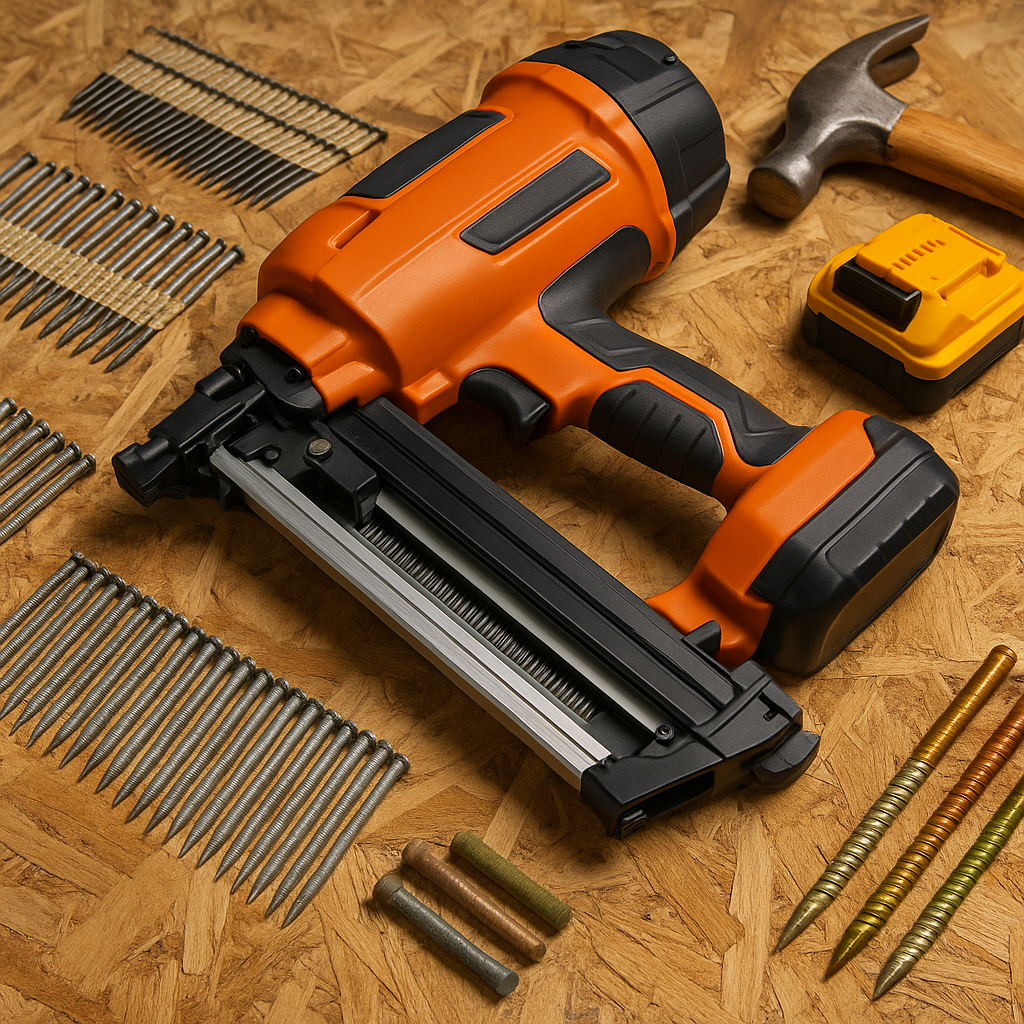
- Battery-Powered Nail Guns Over Gas-Powered Models
Cordless nail guns using lithium-ion batteries are more eco-friendly than gas-powered alternatives.
🔹 Advantages:
- Lower emissions compared to fuel-powered nail guns.
- Efficient power use reduces energy waste.
- Rechargeable batteries extend usability.
Best for: Framing, decking, furniture assembly.
- Optimized Fastening Methods
Using the correct fastening techniques helps prevent unnecessary waste.
🔹 Best Practices:
- Pre-drilling pilot holes to prevent splitting and wasted materials.
- Using depth settings on nail guns to ensure secure fastening without over-penetration.
- Employing torque-controlled bolts to prevent over-tightening and breakage.
Best for: Construction, furniture making, general assembly.
- Reusable Fasteners
Some fasteners are designed to be removed and reused, reducing material waste.
🔹 Examples of Reusable Fasteners:
- Bolts and Washers – Can be unscrewed and used multiple times.
- Snap Fasteners – Designed for quick assembly and disassembly.
- Clinch Fasteners – Provide strong yet removable fastening solutions.
Best for: Modular construction, temporary installations.
How Securall Supports Sustainable Fastening
Securall, a leader in fastening solutions, is committed to sustainability by offering eco-friendly products that support green building practices.
- Eco-Friendly Product Line
Securall provides:
- Recycled steel and aluminum fasteners for heavy-duty applications.
- Coated fasteners with non-toxic, rust-resistant layers.
- Sustainable adhesives that reduce chemical emissions.
- Energy-Efficient Manufacturing
Securall minimizes environmental impact through:
- Energy-efficient production to lower carbon emissions.
- Recycling initiatives that reuse scrap materials.
- Eco-conscious supply chains to ensure sustainable sourcing.
- Sustainable Packaging
Packaging contributes significantly to construction waste. To counteract this, Securall uses:
- Minimalist, recyclable packaging.
- Biodegradable materials for bulk shipments.
This reduces unnecessary plastic waste while maintaining product integrity.
The Future of Sustainable Fastening
As industries shift toward carbon-neutral construction, sustainable fastening solutions will continue evolving.
Upcoming Innovations:
🔹 Smart Fasteners – Sensors to monitor durability and stress levels, reducing unnecessary replacements.
🔹 Bio-Based Fasteners – Made from renewable sources like hemp or bamboo fibers.
🔹 Automated Fastening Systems – Precision-driven machines that minimize material waste.
With these innovations, fastening solutions will become more energy-efficient, waste-reducing, and environmentally friendly.
Key Takeaways
- Sustainable fasteners reduce environmental impact by using recycled or biodegradable materials.
- Battery-powered nail guns and reusable bolts contribute to energy-efficient construction.
- Coated fasteners extend lifespan, reducing frequent replacements and waste.
- Manufacturers like Securall are leading the charge in green fastening technology.
By adopting eco-friendly fastening solutions, businesses can lower costs, meet green building certifications, and contribute to a more sustainable future.
Conclusion
Sustainable fastening solutions play a critical role in the future of construction and manufacturing. By choosing recycled metal fasteners, biodegradable options, and energy-efficient fastening techniques, professionals can minimize their environmental footprint while maintaining structural strength and durability.
From nail guns with rechargeable batteries to powder-coated fasteners that resist corrosion, the industry is moving towards a greener and more responsible future. As sustainable innovations continue to develop, embracing eco-friendly fastening will soon become the industry standard rather than the exception.
By making the switch today, you contribute to a cleaner, more efficient, and sustainable tomorrow.