

Winter construction projects present unique challenges that require careful material selection and strategic planning. Cold temperatures, moisture, and frost can compromise structural integrity, making it crucial to choose the right fasteners. Whether you’re using nail guns, screws, or bolts, selecting materials that withstand harsh weather conditions ensures longevity and reliability.
Construction professionals know that fastening solutions used in warmer climates may fail when exposed to freezing temperatures. Expansion and contraction caused by temperature fluctuations can lead to loosened joints, while moisture can corrode standard fasteners. This article explores the best fasteners for winter conditions and how to ensure a secure build even in freezing environments.
Challenges of Winter Construction and Fastening
Cold weather significantly impacts construction materials and tools. Here are some of the primary challenges faced during winter projects:
- Material Contraction and Expansion
- Cold weather causes materials to contract, leading to gaps and reduced fastening strength.
- Wood and metal react differently to temperature changes, necessitating flexible fastening solutions.
- Using improper fasteners can result in structural instability over time.
- Moisture and Corrosion Risks
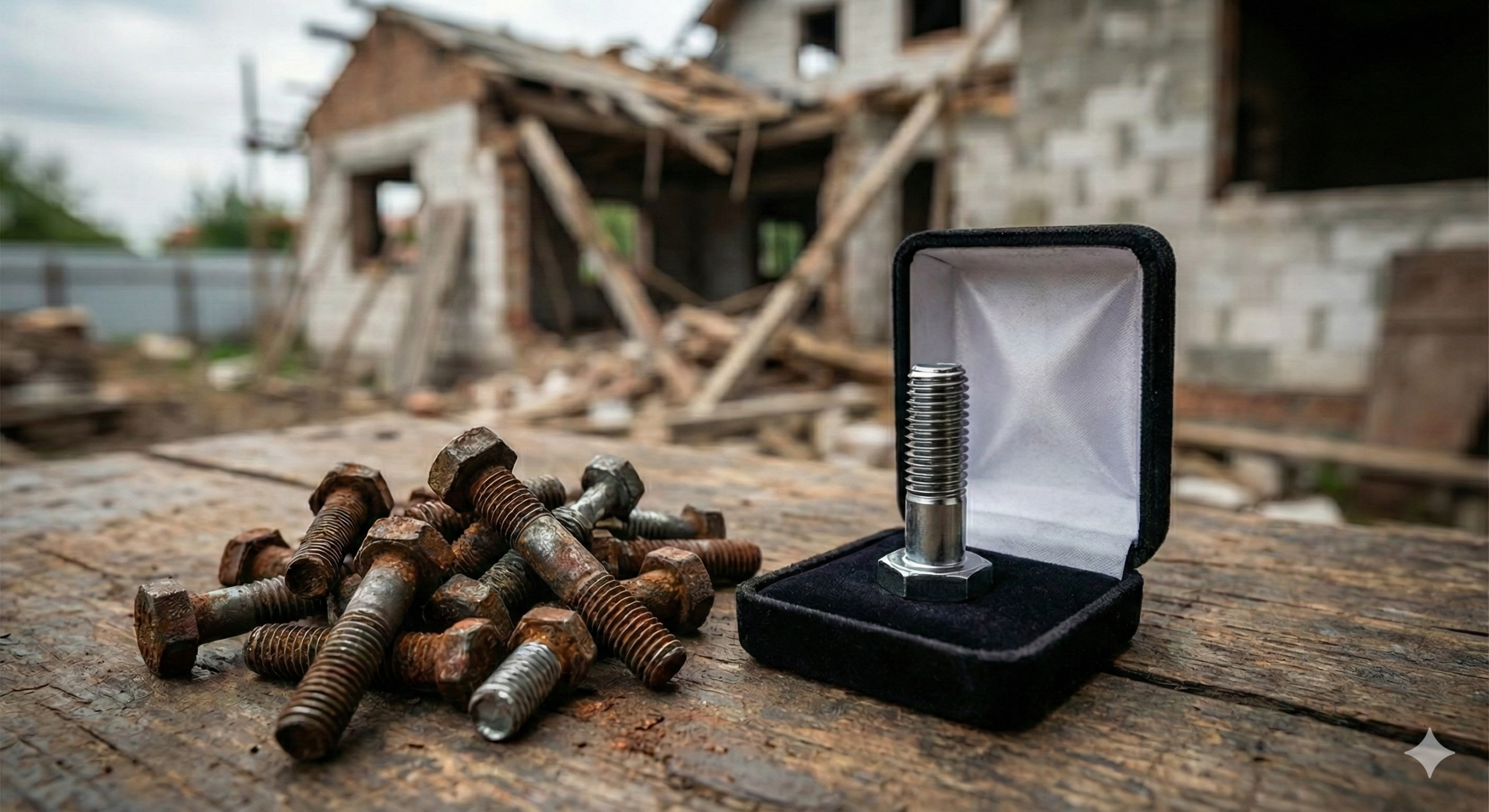
- Snow and ice increase moisture exposure, accelerating rust and corrosion in metal fasteners.
- Wooden structures absorb moisture, leading to swelling that can loosen standard fasteners.
- Fasteners must be coated or made of materials resistant to oxidation.
- Reduced Adhesion of Certain Fasteners
- Some adhesives used in fastening lose effectiveness in freezing temperatures.
- Glued or epoxy-sealed fasteners may not bond well in cold conditions.
- Proper installation techniques and winter-grade adhesives are essential.
- Harder and More Brittle Surfaces
- Cold temperatures make wood and concrete harder, increasing resistance when driving fasteners.
- Standard nail guns may struggle with penetration, requiring specialized nails or more powerful tools.
- Drilling pilot holes before fastening helps prevent splitting and cracking.
Choosing the Right Fasteners for Cold Weather
- Coated and Corrosion-Resistant Fasteners
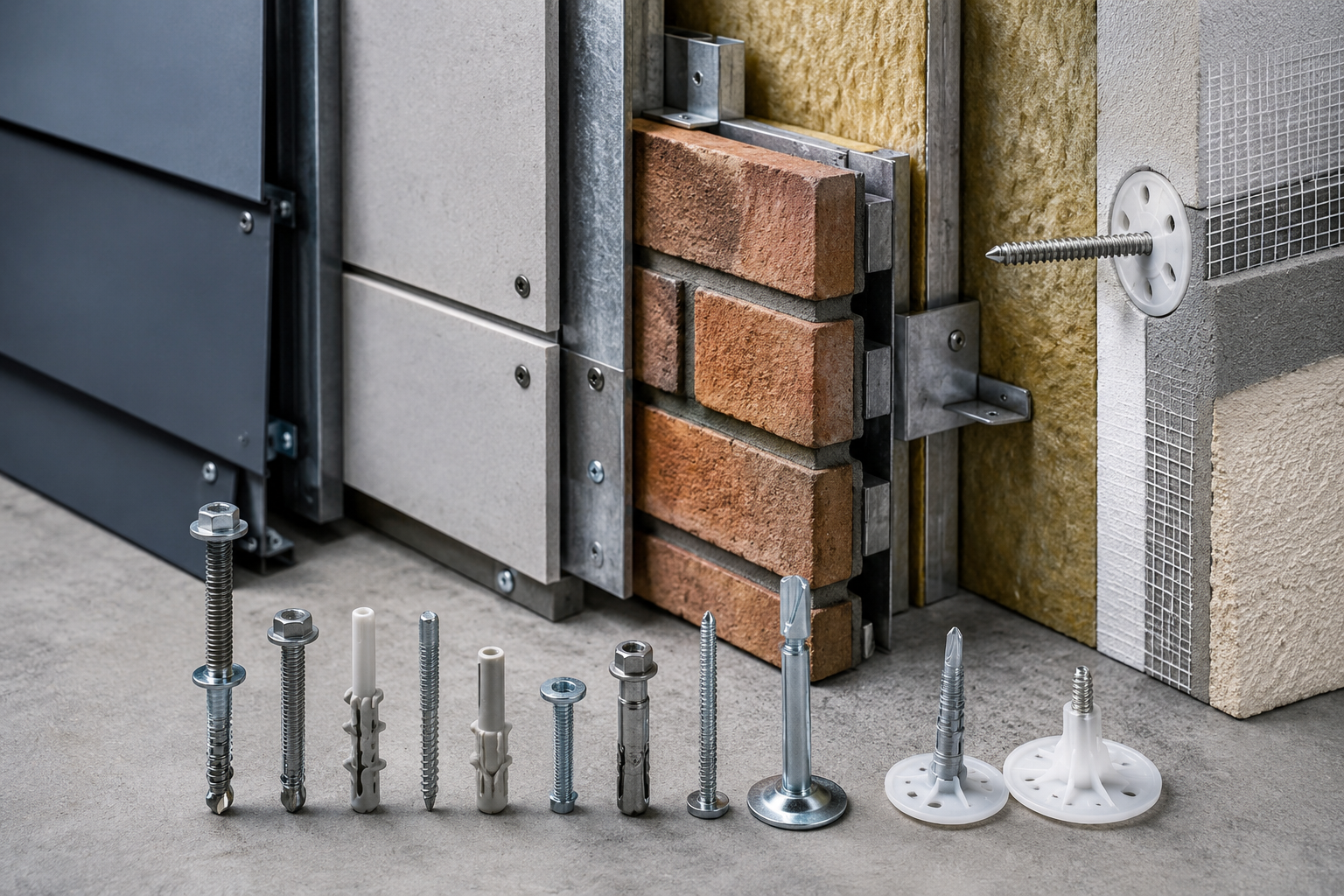
One of the best ways to ensure durability in winter conditions is to choose fasteners with specialized coatings. The most effective types include:
- Galvanized Fasteners: Zinc-coated for superior rust resistance.
- Stainless Steel Fasteners: Highly durable and corrosion-resistant.
- Epoxy-Coated Fasteners: Adds an extra layer of protection against moisture.
- Cold-Weather-Grade Nail Guns and Nails
If using nail guns, ensure they are compatible with cold-weather applications. Consider these factors:
- Pneumatic vs. Cordless Nail Guns: Pneumatic nail guns require lubrication to prevent freezing in air hoses. Battery-powered nail guns may have reduced performance due to cold affecting battery life.
- Depth Adjustment for Harder Surfaces: Winter conditions make materials more rigid, requiring nail guns with adjustable depth settings.
- Hot-Dipped Galvanized Nails: These nails have a thicker protective layer, preventing rust in extreme weather.
- Self-Drilling Screws and Impact-Resistant Bolts
For projects requiring screws or bolts, opt for winter-grade varieties:
- Self-Drilling Screws: Minimize the need for pilot holes in frozen materials.
- Lag Bolts with Rust-Resistant Coatings: Provide additional strength in load-bearing applications.
- Hardened Steel Bolts: Resist cold-induced brittleness and breakage.
- Adhesives and Sealants for Cold Conditions
Since some adhesives fail in freezing temperatures, choose materials formulated for cold-weather applications:
- Polyurethane Adhesives: Maintain flexibility and bonding strength even at low temperatures.
- Silicone-Based Sealants: Provide excellent waterproofing and durability in cold conditions.
Best Practices for Fastening in Cold Weather
Using the right fasteners is only half the battle. Following best practices ensures successful installation and long-term stability.
- Preheat Materials When Possible
- Store fasteners and materials in a heated area before use.
- Using slightly warmer materials reduces brittleness and improves adhesion.
- Use a Suitable Nail Gun for the Job
- Choose a nail gun designed for winter use.
- Keep air hoses insulated to prevent freezing in pneumatic models.
- If using a battery-powered model, store batteries indoors when not in use.
- Lubricate and Maintain Tools Regularly
- Cold temperatures increase the risk of tool malfunctions.
- Apply winter-grade lubricants to nail guns and drills.
- Choose Fasteners with Proper Threading and Coating
- Coarse-threaded screws provide extra grip in frozen materials.
- Coated fasteners prevent rust and water damage.
- Secure Temporary Structures Against Wind and Ice Loads
- Use heavy-duty fasteners for scaffolding and protective coverings.
- Consider reinforced fastening methods for temporary structures.
Final Thoughts
Cold-weather construction requires specialized fasteners and techniques to ensure success. By selecting the right materials—such as galvanized screws, stainless steel bolts, and winter-compatible nail guns—you can enhance durability and prevent structural failures.
Key takeaways:
- Use corrosion-resistant fasteners to prevent rust in winter conditions.
- Invest in winter-grade nail guns and screws designed for harder surfaces.
- Follow best installation practices to ensure secure fastening despite cold temperatures.
By taking these precautions, your winter construction projects will stand the test of time, delivering superior strength and reliability.